
Mexico is one of the world's oldest winemaking countries in the Americas — and one of its most exciting today. From the fog-cooled valleys of Baja California to the high-altitude vineyards of Querétaro and the historic estates of Coahuila, the country now has more than 200 wineries producing world-class wine. This complete 2026 guide breaks down Mexico's best wineries region by region, so you can plan a trip around the bottles you most want to taste.
Mexico's Wine Country: An Overview
Wine has been made in Mexico since the 1500s, when Spanish colonists planted the first vineyards in the Americas. After centuries of stagnation, the last three decades have seen a spectacular renaissance led by a new generation of winemakers. Today Mexico's wine industry spans several distinct regions, each with its own climate, grapes, and personality.
Roughly 70% of Mexican wine comes from Baja California, but high-altitude regions like Querétaro and Guanajuato are growing fast, and historic Coahuila is home to the oldest winery in the Americas. Across the country you'll find everything from massive heritage producers to tiny garage projects making just a few hundred cases. Whether you love bold reds, crisp whites, or experimental natural wines, Mexico has something remarkable to pour.
Valle de Guadalupe: Baja California's Wine Capital
If you visit just one Mexican wine region, make it Valle de Guadalupe. Located about two hours south of San Diego, this Baja California valley produces the majority of Mexico's premium wine and pairs it with a world-class food scene. The Mediterranean climate, cooled by Pacific fog, suits varieties like Nebbiolo, Tempranillo, Cabernet Sauvignon, Grenache, and Chenin Blanc.
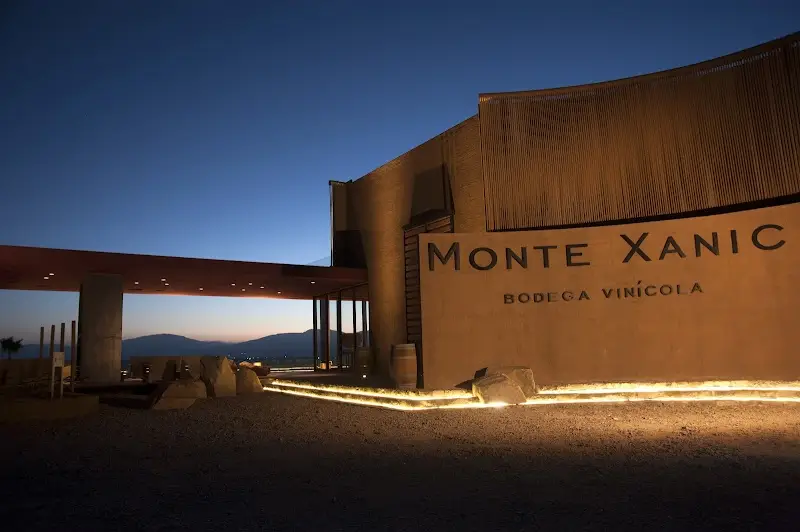
Standout wineries include Monte Xanic, the producer that put Mexican fine wine on the map; Adobe Guadalupe, known for its Rhône-style blends and elegant hacienda; Vena Cava, famous for its sustainable architecture; Casa de Piedra, the pioneering project of winemaker Hugo D'Acosta; Bruma, a stunning design-driven estate; and Lechuza, a beloved boutique producer. The valley's annual Vendimia harvest festival each August is the best time to experience it all at once.
Querétaro: High Altitude Wines
In central Mexico, Querétaro has become the country's second-most important wine region. At elevations above 6,000 feet, the high-altitude vineyards produce bright, balanced wines — and the region is especially known for sparkling wine. It's an easy add-on to a trip to colonial San Miguel de Allende.
Top producers include Finca Sala Vivé by Freixenet, the Mexican outpost of the famous Spanish cava house, whose underground cellars host tastings; Cava 57; and Vinaltura, with sweeping vineyard views. Querétaro's wine route is compact and well-organized, making it ideal for a relaxed weekend of tasting and cheese.
Parras, Coahuila: Mexico's Oldest Wine Region
The town of Parras in Coahuila is home to Casa Madero, founded in 1597 and recognized as the oldest winery in the Americas. Set in the Valle de Parras, this historic estate still produces excellent wines — its Casa Grande Cabernet and Chardonnay are benchmarks — and a visit feels like stepping into living history. The surrounding desert oasis, with its natural springs, makes the journey worthwhile for any serious wine traveler.
San Miguel de Allende Wine Scene
The picturesque colonial city of San Miguel de Allende, in Guanajuato, anchors a fast-growing wine scene in central Mexico's Guanajuato region. Boutique wineries such as Cuna de Tierra and Tres Raíces offer striking architecture, excellent restaurants, and high-altitude reds. Combining a few days in San Miguel with winery visits is one of the most rewarding cultural-and-wine itineraries in the country.
How to Plan a Mexican Wine Trip
For most international visitors, the easiest entry point is Valle de Guadalupe via San Diego. If you have more time, combine it with Querétaro and San Miguel de Allende (reachable by air from Mexico City or via Querétaro's airport). Decide whether you'd rather drive yourself — which offers flexibility but requires Mexican auto insurance and a designated driver — or book guided tours that handle transportation and logistics.
Where to Stay in Mexico's Wine Regions
Each region offers distinctive lodging: luxury glamping and vineyard villas in Valle de Guadalupe, boutique hotels along the Querétaro wine route, restored haciendas near Parras, and elegant colonial stays in San Miguel de Allende. Book early during harvest season and holiday weekends.
Nearby Hotels
Compare hotels for your wine country stay
With more than 200 wineries across these regions, Mexico rewards both the casual day-tripper and the dedicated wine traveler. Start with Valle de Guadalupe, then keep exploring — there's a whole country of remarkable wine waiting.
Nearby Hotels
Compare hotels for your wine country stay