
Introduction: Mexico's High-Altitude Wine Frontier
While Valle de Guadalupe dominates Mexican wine headlines, Querétaro—just 2.5 hours northwest of Mexico City—quietly produces some of Mexico's most elegant and distinctive wines. Located at elevations between 1,800 and 2,200 meters (5,900-7,200 feet) above sea level, Querétaro's high-altitude vineyards craft wines with bright acidity, refined tannins, and European elegance rare in warm-climate New World regions.
This guide covers everything wine tourists need to know about visiting Querétaro's wine country, including top wineries, grape varieties, tours, and logistics.
Geography and Climate
Location Querétaro wine region centers around the municipalities of Ezequiel Montes, Tequisquiapan, and Bernal, about 200 kilometers northwest of Mexico City in central Mexico.
Elevation and Terroir **Altitude:** 1,800-2,200 meters (5,900-7,200 feet) **Climate:** Semi-arid with cool nights **Rainfall:** 400-600mm annually **Soils:** Clay-limestone with good drainage **Temperature Range:** Daytime highs 25-30°C (77-86°F), nighttime lows 10-15°C (50-59°F)
Why Altitude Matters High elevation creates dramatic diurnal temperature variation—hot days ripen grapes fully while cool nights preserve natural acidity. This produces wines with both ripe fruit flavors and refreshing structure, similar to Argentina's Mendoza or Spain's Ribera del Duero.
The thin atmosphere at altitude also increases UV exposure, thickening grape skins and intensifying color and tannin development.
Grape Varieties
Querétaro's high altitude and continental climate favor different grapes than coastal Baja California.
Red Varieties - **Cabernet Sauvignon:** The region's flagship. Produces structured, age-worthy reds with cassis and herb notes. - **Malbec:** Thrives at altitude. Produces elegant, floral wines with dark fruit and spice. - **Syrah:** Peppery, savory expressions with black olive and smoked meat complexity. - **Cabernet Franc:** Herbaceous, elegant reds with red fruit and bell pepper notes. - **Merlot:** Softer, approachable wines often blended with Cabernet.
White Varieties - **Chardonnay:** Crisp, mineral-driven whites with apple and citrus notes. Less tropical than coastal expressions. - **Sauvignon Blanc:** Bright acidity, grapefruit and grass flavors. Some of Mexico's best Sauvignon Blanc comes from Querétaro. - **Chenin Blanc:** Rare but promising. Produces dry, mineral whites with honey and quince notes.
Top Wineries to Visit
Freixenet Mexico (Finca Sala Vivé) **Why Visit:** The most famous winery in Querétaro. Spanish sparkling wine giant Freixenet opened this sprawling estate in 1987, producing traditional-method sparkling wines (Cava-style) alongside still reds and whites.
Experience: Guided tours of underground cellars, tasting rooms with valley views, on-site restaurant.
Cost: Tours start at $250 MXN (~$15 USD)
Reservation: Recommended on weekends
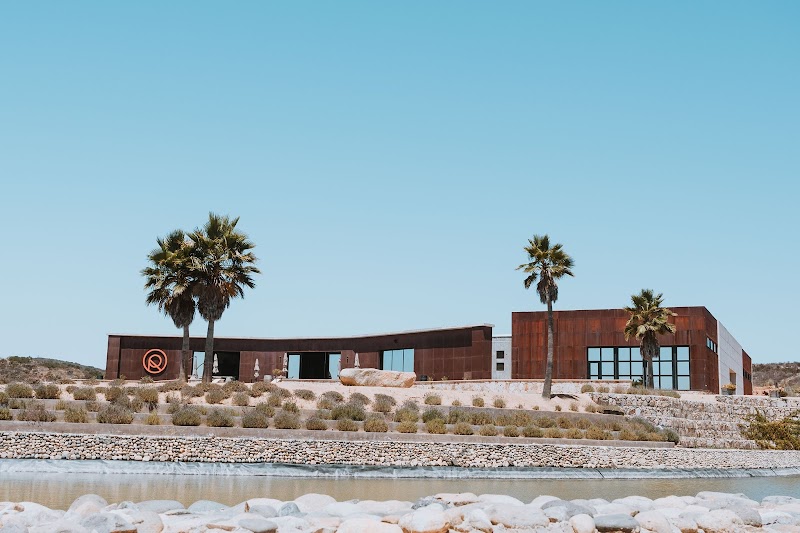
Viñedos La Redonda **Why Visit:** Award-winning estate known for Bordeaux-style red blends and elegant Malbec.
Experience: Vineyard tours, barrel tastings, picnic areas with mountain views.
Cost: Tastings $150-$300 MXN
Reservation: Walk-ins accepted weekdays
Viñedos Azteca **Why Visit:** Historic winery with mission-style architecture. Produces robust Cabernet Sauvignon and Syrah.
Experience: Traditional hacienda setting, wine and cheese pairings, event space for weddings.
Cost: Tastings $200 MXN
Reservation: Recommended
De Cote **Why Visit:** Boutique winery focusing on natural, minimal-intervention wines. Experimental blends and orange wines.
Experience: Intimate tastings with winemaker, vineyard walks, rustic-chic tasting room.
Cost: Tastings $250-$400 MXN
Reservation: Required
Cavas del Buen Gusto **Why Visit:** Small family winery producing limited-release wines. Personalized tastings with owners.
Experience: Private tours, barrel tastings, home-style Mexican lunch by reservation.
Cost: Tastings $200 MXN
Reservation: Required
Vinícola Toyan **Why Visit:** One of Querétaro's oldest wineries (founded 1970s). Traditional winemaking with modern techniques.
Experience: Historic cellars, library wine tastings, large tasting room for groups.
Cost: Tastings $150-$250 MXN
Reservation: Recommended for groups
Wine Tourism Logistics
Getting to Querétaro Wine Country
From Mexico City:
- By Car: 2.5-3 hours via Autopista 57D (toll road)
- By Bus: Direct buses from Mexico City Terminal Norte to Tequisquiapan (3 hours, $200-$300 MXN)
- Organized Tours: Several companies offer day trips from Mexico City ($1,500-$2,500 MXN including transportation and tastings)
Important for Drivers from the US: If driving from the United States through Mexico, you'll need Mexican auto insurance. SmartGringo.com offers instant online policies starting at $25/week with full coverage required by Mexican law.
Base Towns
Tequisquiapan: Charming colonial town with cobblestone streets, artisan markets, thermal spas, and the highest concentration of nearby wineries. Best for overnight stays.
Ezequiel Montes: Smaller, quieter town closer to several wineries. Fewer hotels but authentic local atmosphere.
Bernal: Famous for Peña de Bernal, the world's third-largest monolith. Beautiful town square, artisan shops, adventure activities (rock climbing, paragliding). About 30 minutes from main wine zone.
Accommodation
- Hotel Boutique 1850 (Tequisquiapan): Luxury boutique hotel in restored colonial building ($150-$250 USD/night)
- Posada del Tequisquiapan: Mid-range hotel with pool and gardens ($80-$120 USD/night)
- Casa Diamante (Bernal): Boutique B&B with views of Peña de Bernal ($60-$100 USD/night)
Best Time to Visit
Harvest Season (August-September): Witness grape picking, participate in crush, attend harvest festivals. Warm days, cool nights.
Spring (April-May): Vineyards bloom with wildflowers. Perfect weather for outdoor tastings and vineyard tours.
Winter (November-January): Quiet season with fewer tourists. Cool weather ideal for red wine tasting. Some wineries offer barrel tastings of unreleased wines.
Sample Itinerary: Weekend in Querétaro Wine Country
Day 1: Arrival and Sparkling Wines - **Morning:** Drive from Mexico City to Tequisquiapan (2.5 hours) - **11:00 AM:** Check into hotel, lunch in Tequisquiapan town square - **2:00 PM:** Tour and tasting at Freixenet Mexico (Finca Sala Vivé) - **5:00 PM:** Sunset tasting at Viñedos La Redonda - **7:30 PM:** Dinner at La Mariposa (Tequisquiapan)
Day 2: Red Wines and Colonial Towns - **9:00 AM:** Breakfast at hotel - **10:30 AM:** Visit Viñedos Azteca (red wine focus) - **1:00 PM:** Lunch at De Cote winery with natural wine pairing - **3:30 PM:** Drive to Bernal, explore town and Peña de Bernal - **6:00 PM:** Return to Tequisquiapan for thermal spa visit - **8:00 PM:** Dinner at El Campanario
Day 3: Boutique Wineries and Return - **9:00 AM:** Visit Cavas del Buen Gusto (private tasting) - **11:30 AM:** Browse artisan cheese market in Tequisquiapan - **1:00 PM:** Lunch and departure to Mexico City
Querétaro vs Valle de Guadalupe
Choose Querétaro If: - You're based in Mexico City (easier access) - You prefer crisp, European-style wines with high acidity - You want colonial town charm and thermal spas - You enjoy high-altitude scenery and cooler weather
Choose Valle de Guadalupe If: - You're based in California/San Diego (closer) - You prefer riper, fruit-forward wines - You want cutting-edge gastronomy and natural wine scene - You enjoy coastal Mediterranean climate
Final Thoughts
Querétaro's wine region offers a completely different experience than Baja California. While Valle de Guadalupe channels Napa Valley's sun-drenched energy, Querétaro evokes Mendoza's high-altitude elegance and Spain's colonial charm.
For wine tourists already visiting Mexico City, Querétaro provides an easy weekend escape combining world-class wines, colonial architecture, artisan markets, and natural wonders like Peña de Bernal. The wines themselves—elegant, structured, terroir-driven—prove that Mexico's wine story extends far beyond Baja California's coastal valleys.
Nearby Hotels
Compare hotels for your wine country stay