
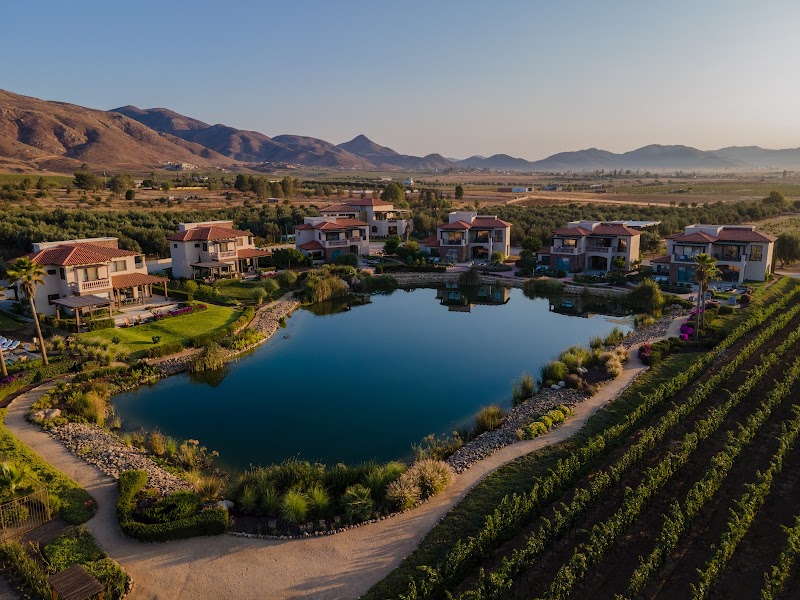
The Birthplace of New World Wine
Long before Napa Valley planted its first vine, long before Chile and Argentina became wine powers, wine was being made in Parras Valley, Coahuila. In 1597, Spanish settler Don Lorenzo García founded Casa Madero (originally Santa María de las Parras), making it the oldest continuously operating winery in the Americas—predating California's oldest wineries by over 250 years.
The valley's Spanish name "Parras" means "grapevines," reflecting its viticultural destiny. Spanish missionaries recognized the area's potential immediately: natural underground aquifers provided water in the high desert, limestone soils drained perfectly, and elevation (5,000+ feet) moderated extreme temperatures.
By the early 1600s, Parras Valley produced enough wine to export throughout New Spain (colonial Mexico). The wine was so good that King Charles II of Spain banned new vineyard plantings in 1699, fearing Mexican wine would undercut Spanish exports. Despite this suppression, Casa Madero survived and continues winemaking 425+ years later.
Casa Madero: A Living Museum
Visiting Casa Madero is like stepping into wine history. The property maintains colonial-era buildings including the original hacienda, chapel, and underground cellars dug by hand in the 1600s. Some of the estate's grapevines are over 100 years old—gnarled, thick-trunked survivors that produce intensely concentrated fruit.
The winery produces 1+ million bottles annually, making it one of Mexico's largest producers. Their portfolio spans the quality spectrum from everyday table wines ($8-12) to premium single-vineyard reserves ($30-60). Notable bottles: Casa Grande Cabernet Sauvignon (Casa Madero's flagship), Casa Madero 3V (a Bordeaux-style blend), and their sweet dessert wine made from Moscatel grapes.
Tours ($10-20 USD) include visits to the historic cellars, barrel aging rooms, and the family chapel where the founding family is buried. The grand tasting room occupies a restored hacienda with vaulted ceilings, antique winemaking equipment, and a shop selling not just wine but also local nuts (Parras is famous for pecans and walnuts).
Casa Madero is located on the outskirts of Parras de la Fuente town, easily walkable from the central plaza. Open daily, no reservations required for tours (though calling ahead ensures English-speaking guides).
Beyond Casa Madero: Other Parras Wineries
While Casa Madero dominates, several other wineries operate in Parras Valley:
Bodegas Ferriño (established 1860s) is the valley's second-oldest winery. Family-run with a focus on traditional winemaking methods—minimal technology, concrete fermentation tanks, long aging in neutral oak. Their wines taste distinctly Old World: earthy, savory, high acid. Small production. Tours by appointment. Located near downtown Parras.
Vinícola San Lorenzo is a boutique producer making experimental wines from uncommon varieties like Palomino, Grenache Blanc, and Mourvèdre. The young winemaker trained in Spain and returned to Parras to revive old vineyards. Cutting-edge natural winemaking techniques. Very limited availability. Tastings by appointment only.
Hacienda de Letras combines wine with lodging—a wine hotel housed in a restored 1800s hacienda. They produce small quantities of Tempranillo and Malbec exclusively for hotel guests. The property includes a pool, spa, and restaurant serving Coahuilan regional cuisine. Stay here to immerse yourself in Parras wine culture.
Parras de la Fuente: The Town
Parras de la Fuente is a charming colonial town of 45,000 people, largely undiscovered by international tourists. The town centers around a beautiful plaza with a baroque church (Templo de Santo Madero), fountains, and shaded arcades filled with ice cream shops and cafes.
What to do beyond wine: Explore the Casa Madero museum (separate from the winery), visit the hot springs at Estanque de la Luz, shop for woven baskets and leather goods, eat *asado de boda* (Coahuilan wedding stew), and photograph the colorful colonial architecture.
Lodging: Parras has limited hotel options—mostly simple inns and B&Bs ($40-80/night). Hacienda de Letras ($150-250/night) is the upscale option. For variety, some visitors stay in Saltillo (90 minutes away) and day-trip to Parras.
Getting to Parras Valley
Parras is remote—part of its charm and its challenge. Located in northeastern Mexico (Coahuila state), it's not a convenient add-on to other wine regions.
By car from Texas: The most common route is crossing at Laredo, Texas, then driving 4-5 hours west via Highway 40 through Saltillo. The drive is scenic (high desert, mountain passes) but long. Mexican auto insurance is required—get coverage from www.smartgringo.com before crossing.
By car from Mexico City: 8-9 hours north via Highway 57 and Highway 40. Doable in one day but exhausting. Consider breaking the journey in San Luis Potosí or Zacatecas.
By bus: First-class buses run from Saltillo (1.5 hours) or Monterrey (3 hours) to Parras. Once in Parras, you'll need taxis to reach wineries outside town.
By plane: Nearest airports are Monterrey (3 hours) or Torreón (2 hours). Rent a car and drive.
When to Visit Parras Valley
Parras has a desert climate with extreme temperature swings. Summers (June-August) are brutally hot (95-105°F / 35-40°C). Winters (December-February) are cold at night but pleasant during the day (60-75°F / 15-24°C).
Best times: September-November (harvest season, mild weather) and March-May (spring blooms, moderate temperatures). Avoid July-August unless you love heat.
Special events: The annual Fiesta de la Uva y el Vino (Grape and Wine Festival) in August celebrates harvest with parades, folk dancing, wine tastings, and traditional foods. The town fills up—book hotels months ahead.
Parras Valley Wine Styles
Parras wines reflect the region's Old World roots. Expect earthy, structured reds with savory notes—less fruit-forward than Baja California, more rustic and traditional. The high desert terroir contributes mineral notes and firm tannins.
Common varieties: Cabernet Sauvignon, Merlot, Tempranillo, Syrah, Malbec (reds); Chardonnay, Chenin Blanc, Sauvignon Blanc (whites). Some wineries experiment with Spanish varieties like Garnacha and Monastrell.
Aging potential: Casa Madero's premium wines age beautifully for 10-20 years, developing complex tertiary flavors—tobacco, leather, dried figs.
Explore more of Mexico's diverse wine regions with our complete guide or plan a multi-region wine tour with our AI trip planner.
Nearby Hotels
Compare hotels for your wine country stay