
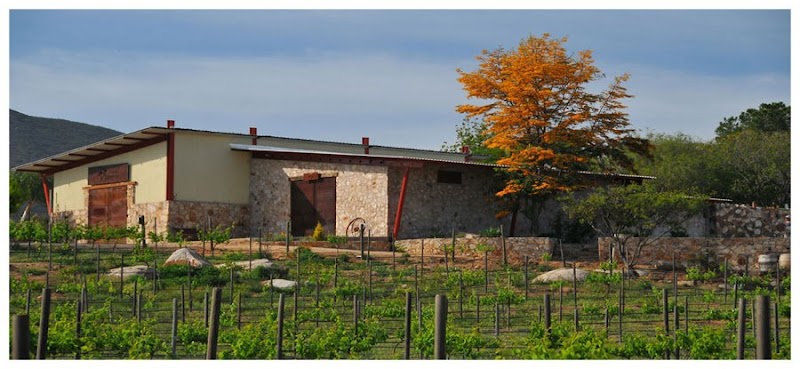
Geography and Climate: Surprising Similarities
Valle de Guadalupe sits just 80 miles south of San Diego, at nearly the same latitude as Napa Valley. Both regions share a Mediterranean climate with warm, dry summers and mild winters. Both benefit from coastal influences—ocean breezes moderate temperatures and morning fog preserves acidity in grapes.
However, Valle de Guadalupe's proximity to the Pacific Ocean is more direct. The valley sits just 20 miles inland (compared to Napa's 40-60 miles), resulting in cooler nights even during peak summer heat. These dramatic diurnal temperature swings (30-40°F difference between day and night) give Valle wines their distinctive balance of ripe fruit and crisp acidity.
Soil differences are significant. Valle de Guadalupe's granite-based soils with decomposed rock fragments drain quickly and stress vines, concentrating flavors. Napa's diverse soils include volcanic rock, sedimentary deposits, and clay loam—each subregion produces wildly different wine styles. Sonoma's Russian River Valley shares some soil characteristics with Valle but receives more rainfall.
Wine Styles: Old World Meets New World
California wine—especially Napa Cabernet—embodies New World winemaking: bold, fruit-forward, high alcohol (14-15%), generous oak aging, and plush tannins. The style prioritizes power and immediate drinkability. Robert Parker's 100-point scale was built around this California aesthetic.
Valle de Guadalupe winemakers draw inspiration from both California and European traditions. Many studied enology in Bordeaux, Burgundy, or Rioja before returning to Mexico. The result? Wines that split the difference between Old World restraint and New World exuberance.
Valle de Guadalupe reds (Nebbiolo, Tempranillo, Grenache, Cabernet blends) typically register 13-14% alcohol—lower than Napa. They emphasize terroir expression over winemaker manipulation. Oak aging is more subtle. The wines taste more savory than fruity, with herbal notes (sage, eucalyptus) and mineral undertones reflecting granite soils.
Valle whites (Chardonnay, Chenin Blanc, Sauvignon Blanc) avoid the butter-bomb style that dominated California in the 1990s-2000s. Winemakers ferment in neutral oak or stainless steel, use minimal malolactic fermentation, and preserve natural acidity. The result? Wines that pair brilliantly with seafood and won't overwhelm delicate Baja Med cuisine.
Quality and Recognition: How Do They Compare?
Napa Valley produces some of the world's greatest (and most expensive) wines. Cult Cabernets from Screaming Eagle, Harlan Estate, and Dalla Valle command $500-3,000 per bottle and score consistently above 95 points. The region's established reputation, rigorous quality standards, and 50+ years of fine winemaking expertise are unmatched.
Valle de Guadalupe is still proving itself on the international stage. Only a handful of Valle wineries (Monte Xanic, L.A. Cetto, Casa de Piedra, Bodegas F. Rubio) have achieved consistent international acclaim. However, blind tastings increasingly show Valle wines competing favorably against Napa counterparts at similar price points ($20-60/bottle).
Value proposition: Valle de Guadalupe offers exceptional quality-to-price ratios. A $40 Valle Nebbiolo or Tempranillo rivals $80-100 Napa Cabernets in complexity and aging potential. Winery visits cost $10-30 in Valle (often waived with purchase) versus $50-150+ in Napa. Boutique hotels run $150-300/night in Valle compared to $400-800+ in Napa.
The Boutique Winery Movement
One area where Valle de Guadalupe excels: the garage winery movement pioneered by Hugo D'Acosta in the late 1990s. Small producers (500-5,000 case production) dominate Valle, compared to Napa's corporate consolidation. This creates a more intimate, experimental wine culture.
Valle winemakers aren't afraid to try unconventional varieties (Mourvèdre, Carignan, Petite Sirah) or natural winemaking techniques (minimal sulfites, native yeasts, no filtration). Napa's risk-averse environment—where land costs $300,000+ per acre—discourages experimentation.
California's advantage: infrastructure. Napa has world-class wine storage facilities, specialized trucking, established distribution networks, and a pipeline of trained viticulturists and enologists. Valle still relies on improvisation and resourcefulness.
Tourism Experience: Valle vs. Napa
Napa Valley tourism is polished, professional, and expensive. Tasting appointments are required months in advance at top wineries. The experience feels corporate and scripted. Traffic on Highway 29 is brutal on summer weekends. Restaurants are excellent but overpriced ($80-150 per person).
Valle de Guadalupe tourism is raw, spontaneous, and affordable. Many small wineries accept walk-ins. You'll often taste with the winemaker or owner, not a trained hospitality staff member. The experience feels personal and authentic. Baja Med restaurants rival Napa's quality at half the price.
Driving logistics: Napa is 1-2 hours from San Francisco, easily accessible via I-80. Valle is 1.5 hours from San Diego but requires crossing the US-Mexico border and driving on less-maintained roads. Mexican auto insurance is mandatory—get coverage from www.smartgringo.com starting at $25/day before crossing.
Which Wine Region Should You Visit?
Choose Napa Valley if: You want guaranteed excellence, Michelin-star dining, luxury spa resorts, and iconic American wines. You have a large budget ($500+ per person per day). You prefer structured, appointment-based winery visits.
Choose Valle de Guadalupe if: You want adventure, value, and authenticity. You love discovering emerging wine regions before they become famous. You're interested in Baja Med cuisine and California-Mexico cultural fusion. Your budget is moderate ($200-300 per person per day).
Best option: Visit both! Valle de Guadalupe is a 2-hour drive from San Diego—combine a Napa trip with a Valle weekend for the ultimate California-Baja wine experience.
Plan your Valle de Guadalupe adventure with our AI trip planner or explore our complete winery directory.
Nearby Hotels
Compare hotels for your wine country stay