
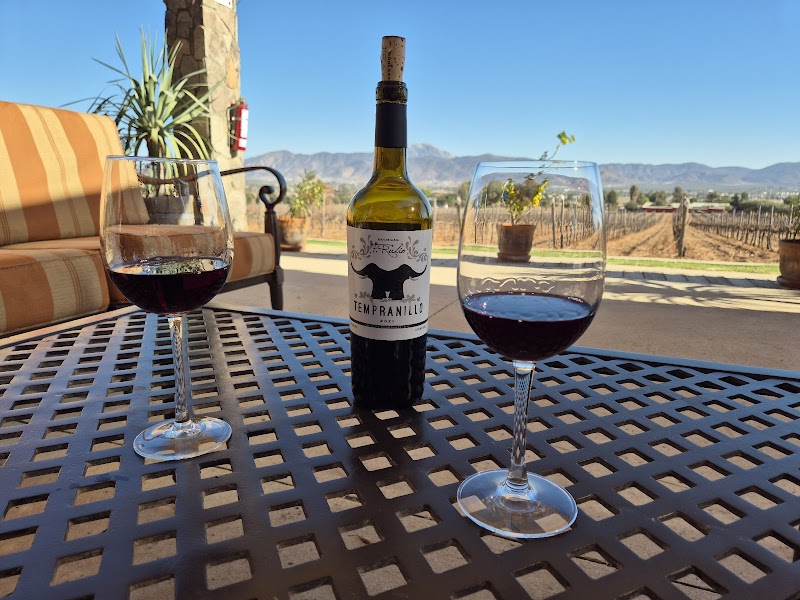
Introduction: The Baja-California Wine Rivalry
Valle de Guadalupe sits just 90 minutes south of San Diego, sharing near-identical latitude (32°N) with San Diego County's wine regions. Yet Mexican wine remains far less known than California's globally celebrated industry. This guide compares Mexico's emerging wine scene with California's established powerhouse across climate, winemaking philosophy, pricing, and quality.
For wine tourists driving south from California, don't forget that Mexican auto insurance is legally required. SmartGringo.com offers instant policies starting at $25/week with full coverage required by Mexican law—make sure you're protected before crossing the border.
Climate and Terroir Comparison
Valle de Guadalupe vs Napa Valley
Valle de Guadalupe (Baja California, Mexico)
- Latitude: 32°N
- Elevation: 300-500 meters
- Climate: Mediterranean with stronger maritime influence
- Rainfall: 200-300mm annually (very dry)
- Soils: Decomposed granite, alluvial deposits
- Ocean Influence: 20 km from Pacific Ocean; cool morning fog, hot afternoons
Napa Valley (California, USA)
- Latitude: 38°N
- Elevation: 30-600 meters
- Climate: Mediterranean with varied microclimates
- Rainfall: 500-900mm annually
- Soils: Volcanic, sedimentary, alluvial
- Ocean Influence: 50+ km from Pacific; less direct maritime cooling
Key Differences:
Valle de Guadalupe is hotter, drier, and more exposed to Pacific Ocean breezes. This creates wines with riper fruit character, higher alcohol, and often softer tannins compared to Napa's more structured, age-worthy Cabernets.
Valle de Guadalupe vs Sonoma County
Sonoma County offers a closer comparison than Napa. Both regions feature coastal fog, diverse microclimates, and a mix of boutique wineries alongside larger commercial operations.
Similarities:
- Mediterranean climate with morning fog
- Proximity to Pacific Ocean
- Focus on small-batch, hands-on winemaking
- Growing natural wine movement
Differences:
- Valle de Guadalupe has less annual rainfall
- Mexican wine pricing is generally 30-40% lower
- Sonoma has stricter AVA (American Viticultural Area) regulations
Winemaking Styles and Philosophy
California: Consistency and Technology
California winemakers prioritize consistency, branding, and precision. Technology dominates: temperature-controlled fermentation, reverse osmosis for alcohol reduction, micro-oxygenation, and extensive lab analysis ensure every vintage meets established flavor profiles.
Characteristics:
- Riper fruit flavors (blackberry, cassis)
- Higher alcohol (13.5-15.5% ABV)
- Oak influence (vanilla, toast, spice)
- Polished, approachable tannins
- Emphasis on varietal purity (e.g., "100% Cabernet Sauvignon")
Mexico: Experimentation and Terroir
Mexican winemakers embrace experimentation. With less regulatory oversight and a younger industry, Valle de Guadalupe winemakers trial rare Italian and Spanish grapes, natural fermentation, amphora aging, and minimal intervention techniques uncommon in California's mainstream wineries.
Characteristics:
- Terroir-driven (more vintage variation)
- Blends over single varietals
- Lower alcohol (12.5-14% ABV) in coastal regions
- Less oak influence, more neutral barrel aging
- Natural wine movement (skin contact whites, low-sulfite reds)
Example: A California winemaker might focus on perfecting a single-vineyard Cabernet Sauvignon year after year. A Mexican winemaker might make Cabernet one year, Nebbiolo the next, and experiment with amphora-aged Grenache the following vintage.
Price and Value Comparison
California Wine Pricing (2026)
- Budget: $10-$20 (commercial brands: Kendall-Jackson, Columbia Crest)
- Mid-Range: $25-$50 (regional favorites: Jordan, Duckhorn, Stag's Leap)
- Premium: $75-$150 (cult wines: Silver Oak, Caymus, Shafer)
- Ultra-Premium: $200+ (cult Cabernets: Screaming Eagle, Harlan Estate)
Mexican Wine Pricing (2026)
- Budget: $8-$15 (L.A. Cetto, Santo Tomás entry-level)
- Mid-Range: $20-$35 (Monte Xanic, Adobe Guadalupe, Decantos)
- Premium: $50-$80 (limited releases: Vena Cava Icon, Bichi natural wines)
- Ultra-Premium: $100+ (rare: aged Casa Madero reserves, allocation-only bottles)
Value Assessment: Mexican wine offers exceptional value in the $20-$40 range. A $30 Mexican wine often rivals $60-$80 California wines in complexity and quality. At the ultra-premium level ($100+), California still dominates with more age-worthy, collectible bottles.
Quality and Critical Recognition
California's Established Reputation
California wines, especially Napa Cabernets, dominate international wine competitions and critic scores. Robert Parker's perfect 100-point scores, Wine Spectator Top 100 lists, and Decanter awards consistently feature California producers.
Strengths:
- Consistency across vintages
- Age-worthiness (10-30+ years for premium Cabernets)
- Global distribution and brand recognition
Mexico's Rising Profile
Mexican wines have gained critical attention in the past decade, with Valle de Guadalupe wines winning awards at international competitions. However, global distribution remains limited, and most Mexican wines sell out locally before reaching export markets.
Strengths:
- Unique terroir expressions
- Value pricing
- Exciting experimentation (natural wines, rare grapes)
Weaknesses:
- Limited availability outside Mexico
- Inconsistent quality at budget level
- Younger vines (many planted post-1990s)
Tourist Experience Comparison
Visiting California Wine Country
Napa Valley:
- Polished, commercial experiences
- High tasting fees ($40-$100+ per winery)
- Appointment-required at premium wineries
- Luxurious hotels and Michelin-starred restaurants
- Shuttle services and organized tours
Sonoma County:
- More laid-back than Napa
- Moderate tasting fees ($25-$50)
- Mix of walk-ins and appointments
- Diverse lodging options from B&Bs to resorts
Visiting Valle de Guadalupe
Experience:
- Casual, personal winemaker interactions
- Lower tasting fees ($10-$30)
- Many wineries welcome walk-ins
- Rustic-chic restaurants (Fauna, Deckman's)
- Requires personal vehicle or hired driver
Logistics: Driving from California requires Mexican auto insurance. Providers like SmartGringo.com offer instant online policies with full coverage required by Mexican law—don't cross without it.
Final Verdict: Which Is Better?
Choose California Wine If:
- You want globally recognized brands
- You prefer consistency and polish
- You're building a cellar for 20+ year aging
- You value established reputation
Choose Mexican Wine If:
- You want exceptional value ($20-$40 range)
- You enjoy experimentation and unique grapes
- You appreciate terroir-driven, vintage-variable wines
- You prefer hands-on, personal winery experiences
The Truth: California and Mexico produce fundamentally different wines shaped by different philosophies. California perfects repeatability; Mexico embraces variability. Both have their place in a diverse wine collection.
For adventurous wine drinkers, Valle de Guadalupe offers the thrill of discovery—wines that can't be found in global markets, made by passionate winemakers experimenting without the constraints of tradition. For those seeking reliability and prestige, Napa Valley delivers world-class Cabernets with proven aging potential.
Why not enjoy both? Valle de Guadalupe is just 90 minutes from San Diego, making it the perfect addition to any California wine road trip.
Nearby Hotels
Compare hotels for your wine country stay