
The Spanish Conquest and First Vineyards (1521-1597)
Mexico's wine story begins in 1521 when Spanish conquistador Hernán Cortés arrived and immediately saw potential for viticulture. Within three years, Cortés issued a decree requiring all new settlers to plant 1,000 vines per 100 indigenous workers. This wasn't just agricultural policy—it was strategic. Shipping wine from Spain was expensive and unreliable, and the Catholic Church needed wine for sacraments across New Spain.
By 1524, the first Spanish vines (Vitis vinifera) were planted in Mexico, likely near Parras Valley in Coahuila. The climate proved excellent. By 1593, Spanish missionaries and settlers had established vineyards throughout northern Mexico. In 1597, Don Lorenzo García founded Casa Madero (originally Santa María de las Parras) in Parras Valley—making it the oldest continuously operating winery in the Americas, predating California's oldest wineries by over 250 years.
Colonial Flourishing and Spanish Suppression (1597-1810)
For nearly two centuries, Mexican wine production thrived. Franciscan and Jesuit missionaries planted Mission grapes throughout Baja California and northern territories. By the mid-1600s, Mexican wines were competing with imports from Spain—which became a problem for the Spanish Crown.
In 1699, King Charles II of Spain banned new vineyard plantings in New Spain, fearing Mexican wine would undercut Spanish exports. Existing wineries like Casa Madero survived by producing primarily for local consumption and church sacraments, but the ban stunted industry growth for over a century.
Despite restrictions, winemaking persisted in remote areas. Baja California's missions continued small-scale production, and wealthy haciendas maintained private vineyards. When Spanish colonial rule ended in 1821, Mexico's wine industry was intact but underdeveloped compared to its potential.
Independence, Revolution, and Near-Extinction (1810-1980)
Mexico's independence wars (1810-1821) and the subsequent Mexican Revolution (1910-1920) devastated the wine industry. Haciendas were destroyed, vineyards abandoned, and knowledge lost as winemakers fled or died. The 1920s brought Prohibition-era policies that further crippled production.
By 1948, the Mexican government imposed strict regulations favoring brandy and beer over table wine. Only a handful of large commercial wineries survived—primarily producing low-quality bulk wine for domestic consumption. Casa Madero endured, along with L.A. Cetto (founded 1928) and Santo Tomás (founded 1888), but Mexico's winemaking reputation hit an all-time low.
For most of the 20th century, Mexican wine was virtually unknown internationally. Tequila and mezcal defined Mexico's spirits identity, while California's Napa Valley became the New World's wine standard just across the border.
The Modern Renaissance: 1980s to Today
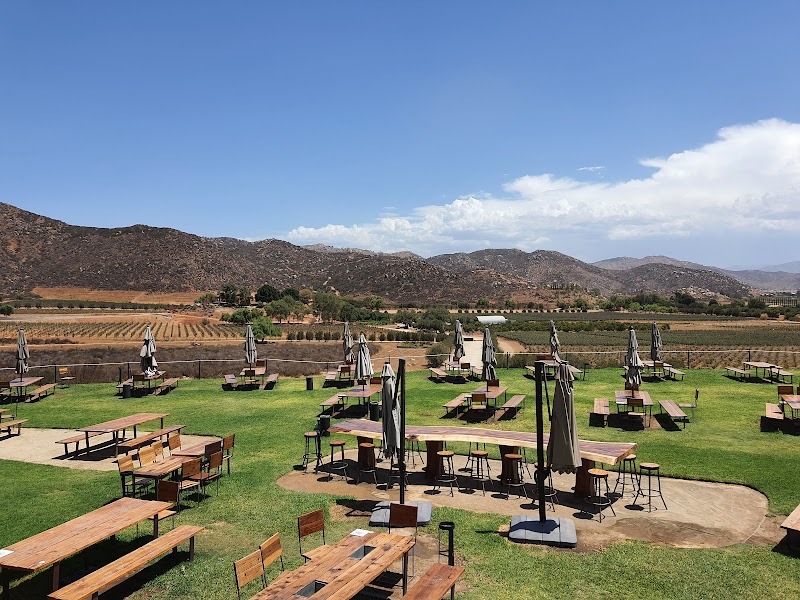
Everything changed in the 1980s when a new generation of Mexican winemakers—many educated in Europe and California—returned home with ambition. They saw opportunity in Baja California's Valle de Guadalupe, where the Mediterranean climate, granite soils, and Pacific Ocean influence created ideal terroir.
Hugo D'Acosta, a charismatic enologist trained in Bordeaux, became the movement's spiritual leader. In 1997, he founded Casa de Piedra and began mentoring young winemakers. His "garage wine" movement inspired dozens of boutique wineries throughout Valle de Guadalupe. Producers like Monte Xanic (founded 1987) began winning international awards, proving Mexican wine could compete globally.
Today, Mexico produces over 3 million cases annually across 10 distinct wine regions. Valle de Guadalupe accounts for 90% of production and has become Latin America's premier wine tourism destination. Querétaro's high-altitude sparkling wines rival Champagne. Guanajuato's boutique wineries blend colonial history with modern winemaking.
The future looks bright. Mexican winemakers are experimenting with Rhône-style blends, orange wines, and natural fermentation. Wine hotels and Michelin-caliber restaurants have transformed the industry from rustic family bodegas to world-class experiences. After 500 years, Mexican wine is finally claiming its place on the global stage.
Planning a trip to explore this history firsthand? Check out our Valle de Guadalupe winery guide or use our AI trip planner to create a personalized itinerary.
Nearby Hotels
Compare hotels for your wine country stay